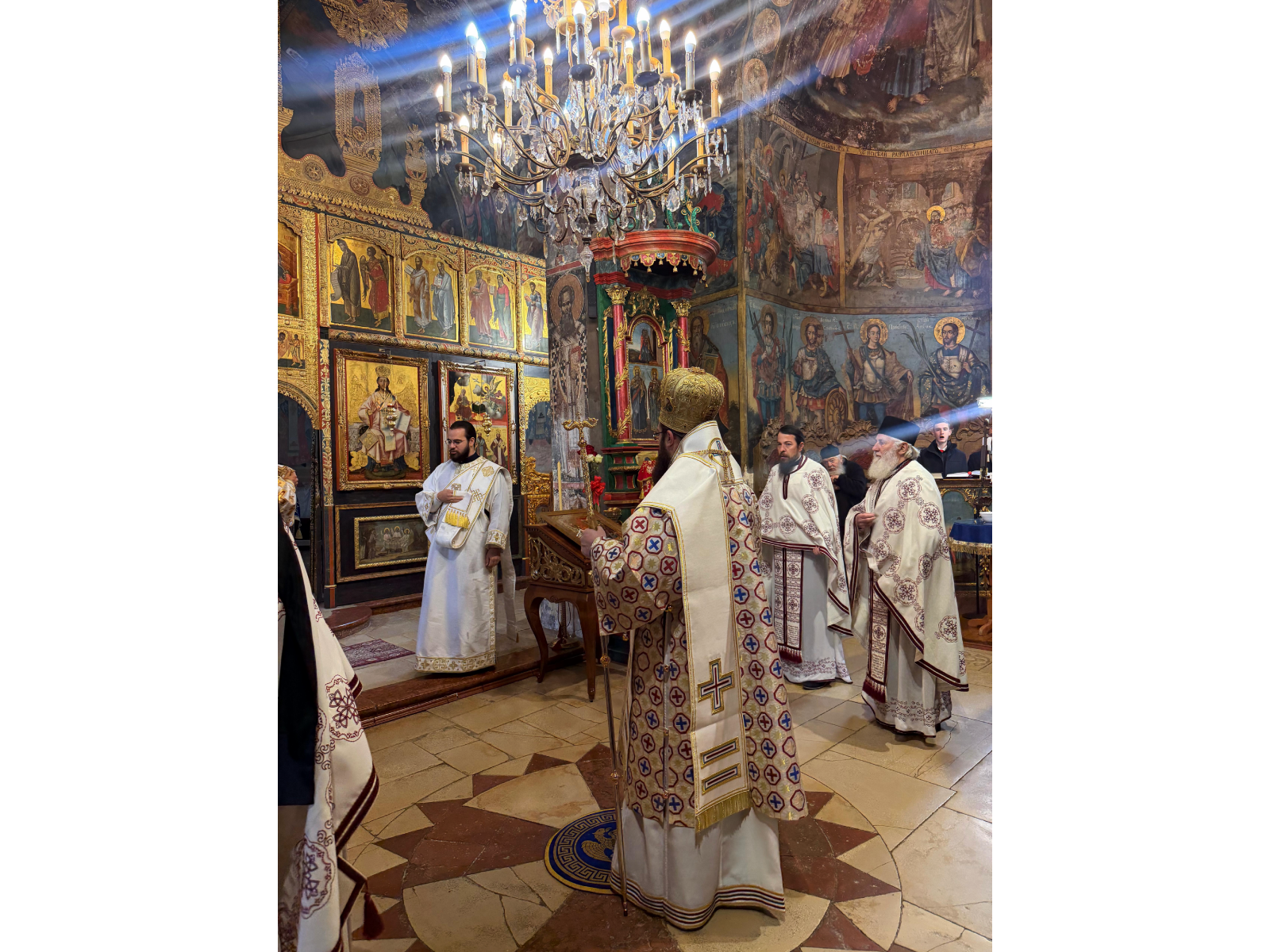
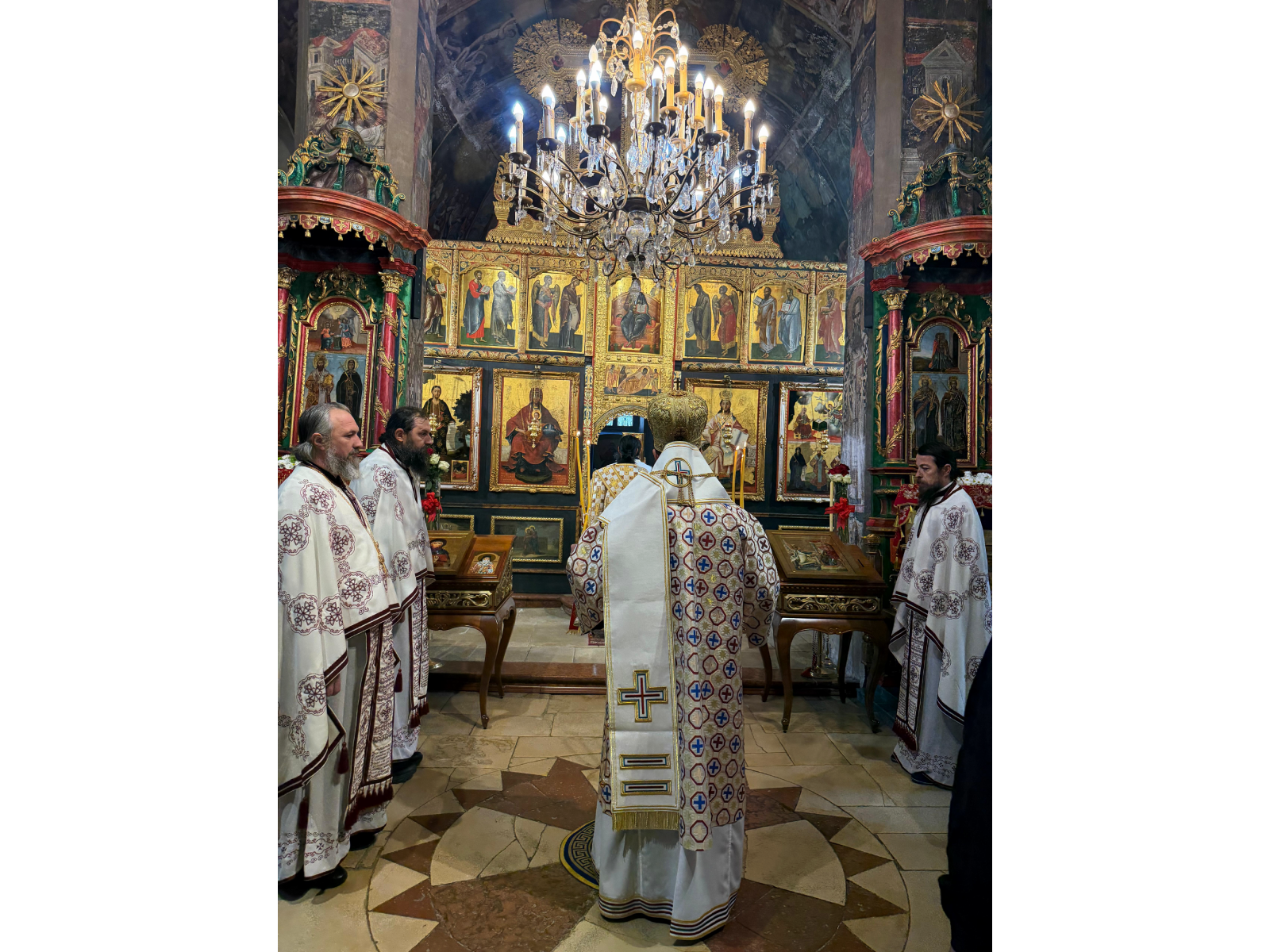
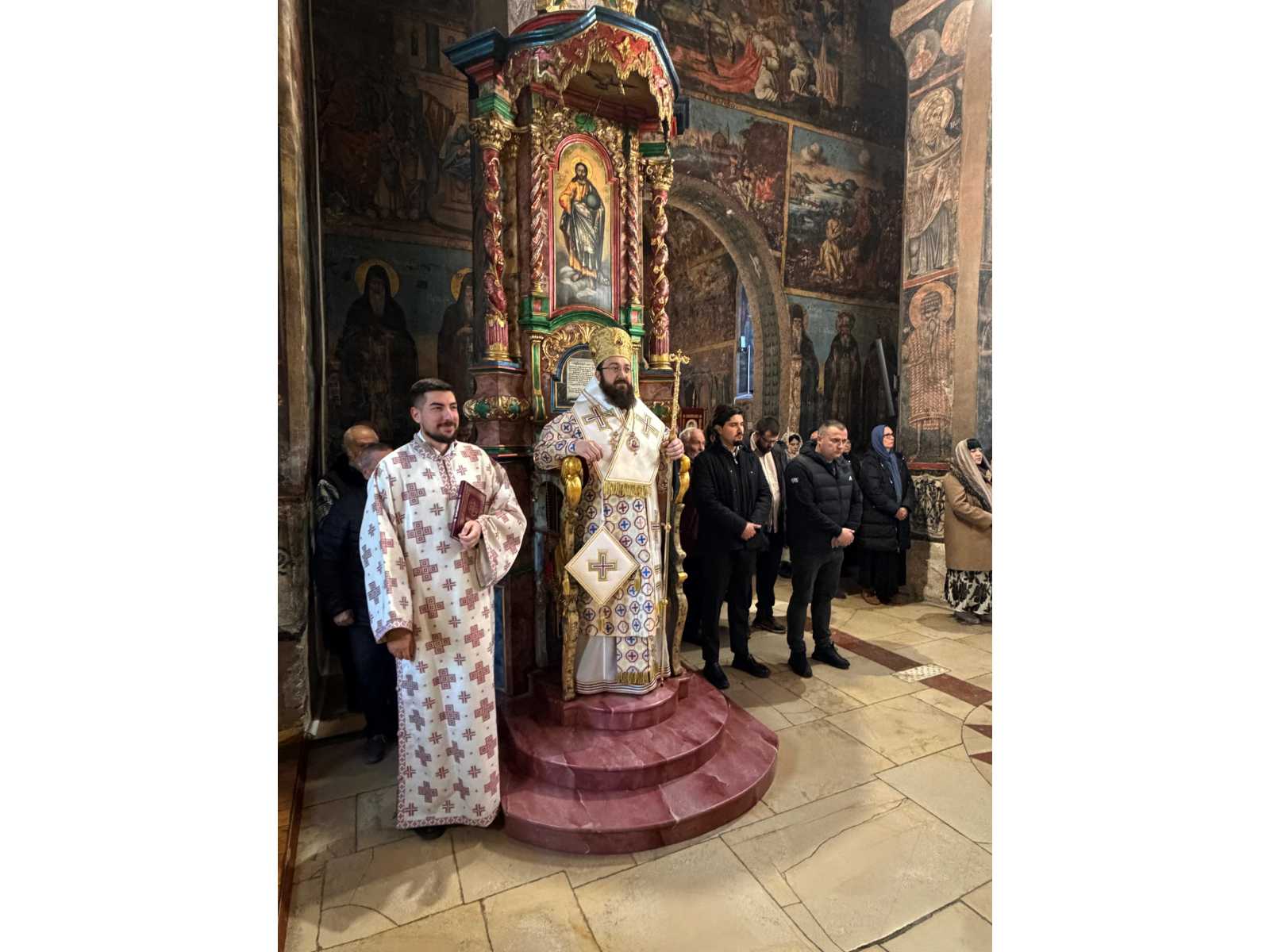
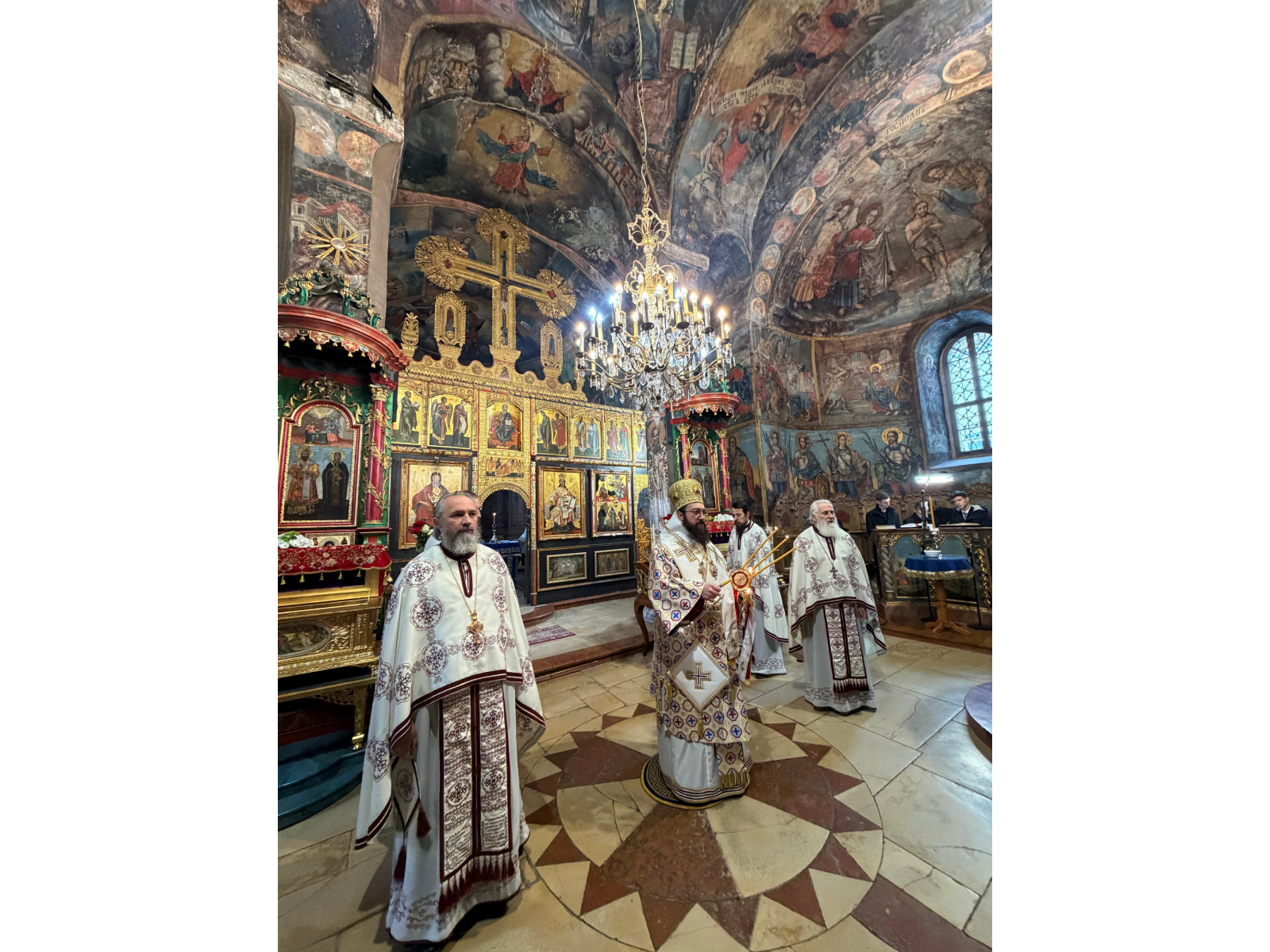
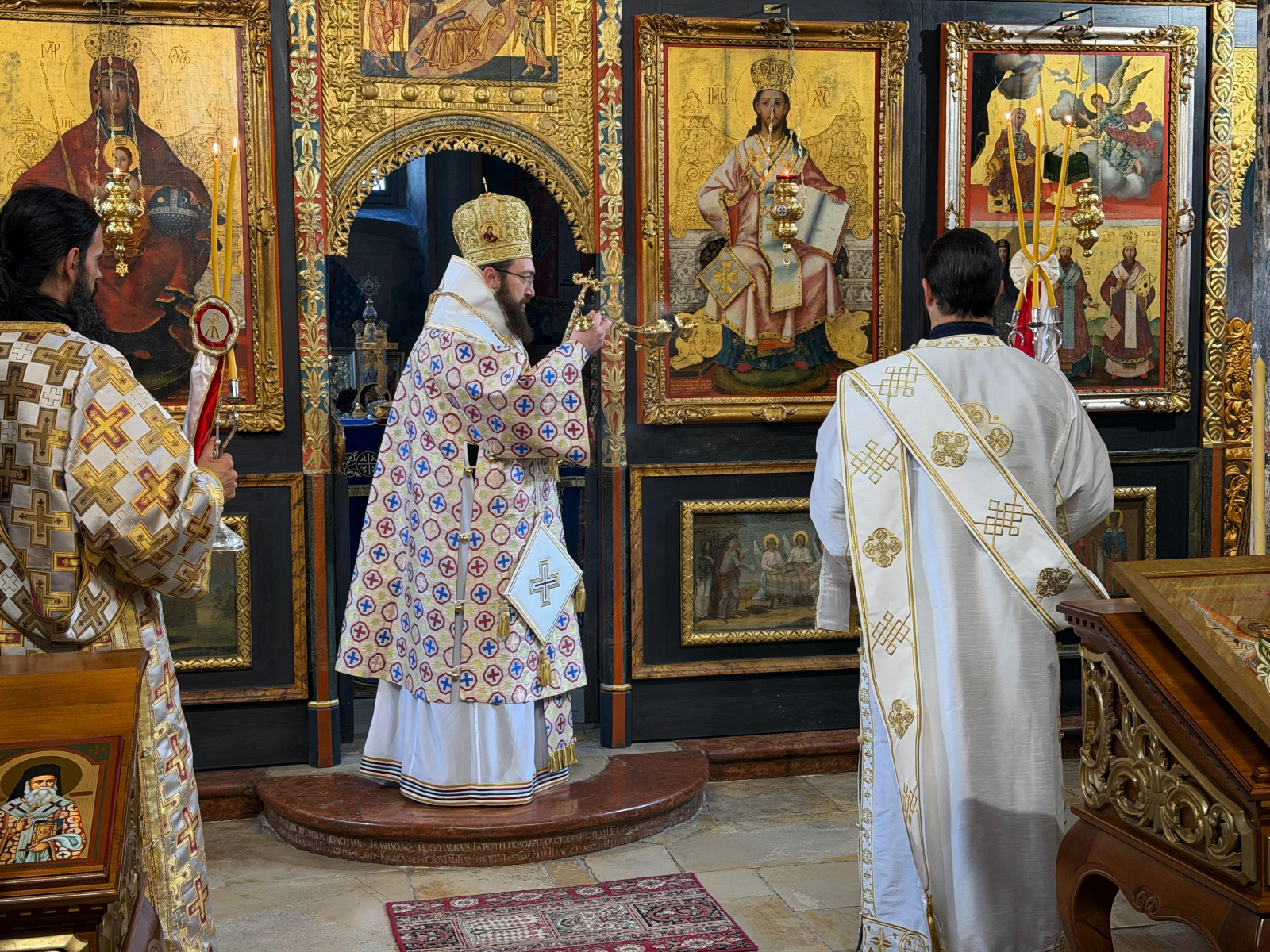
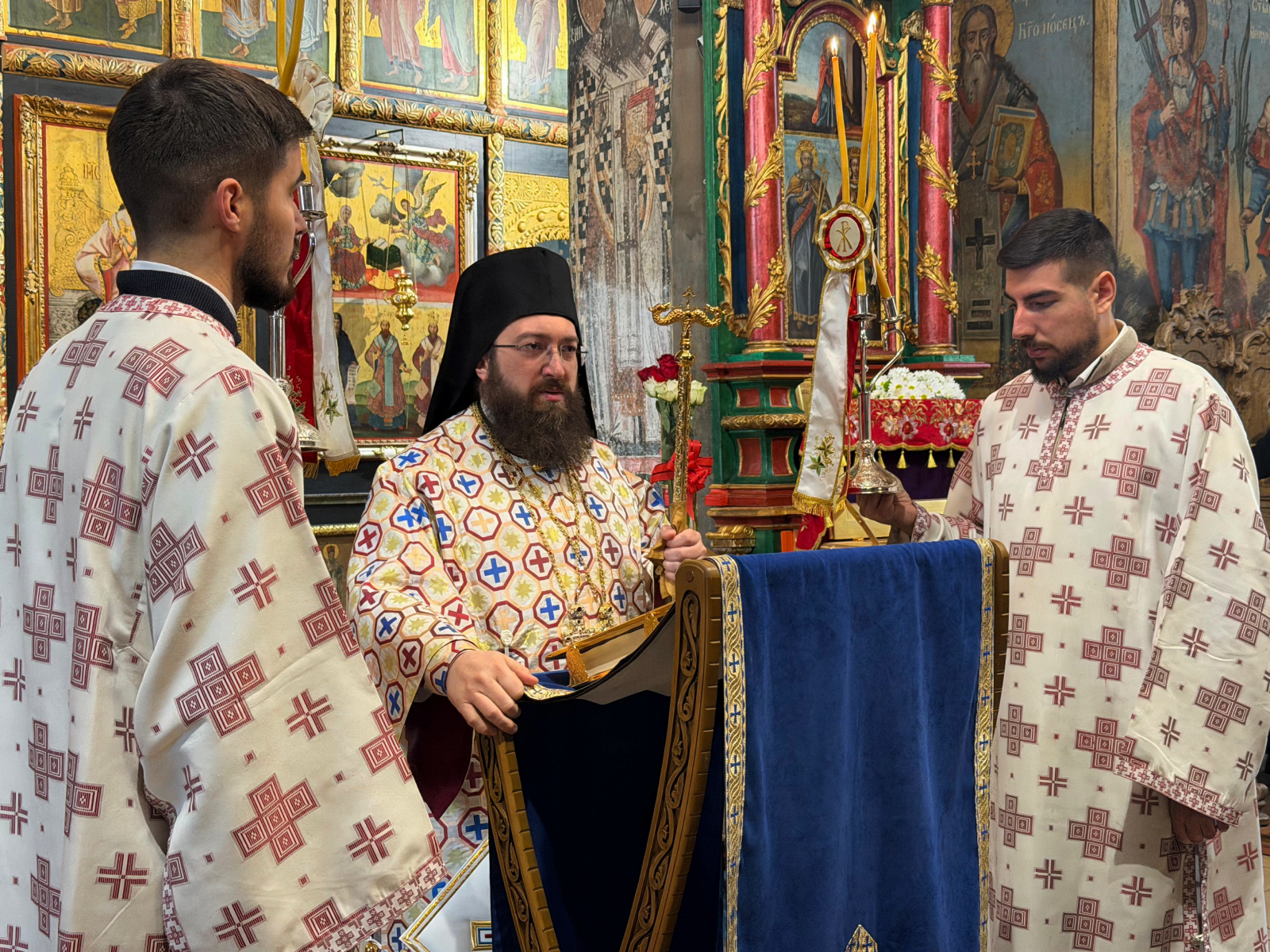
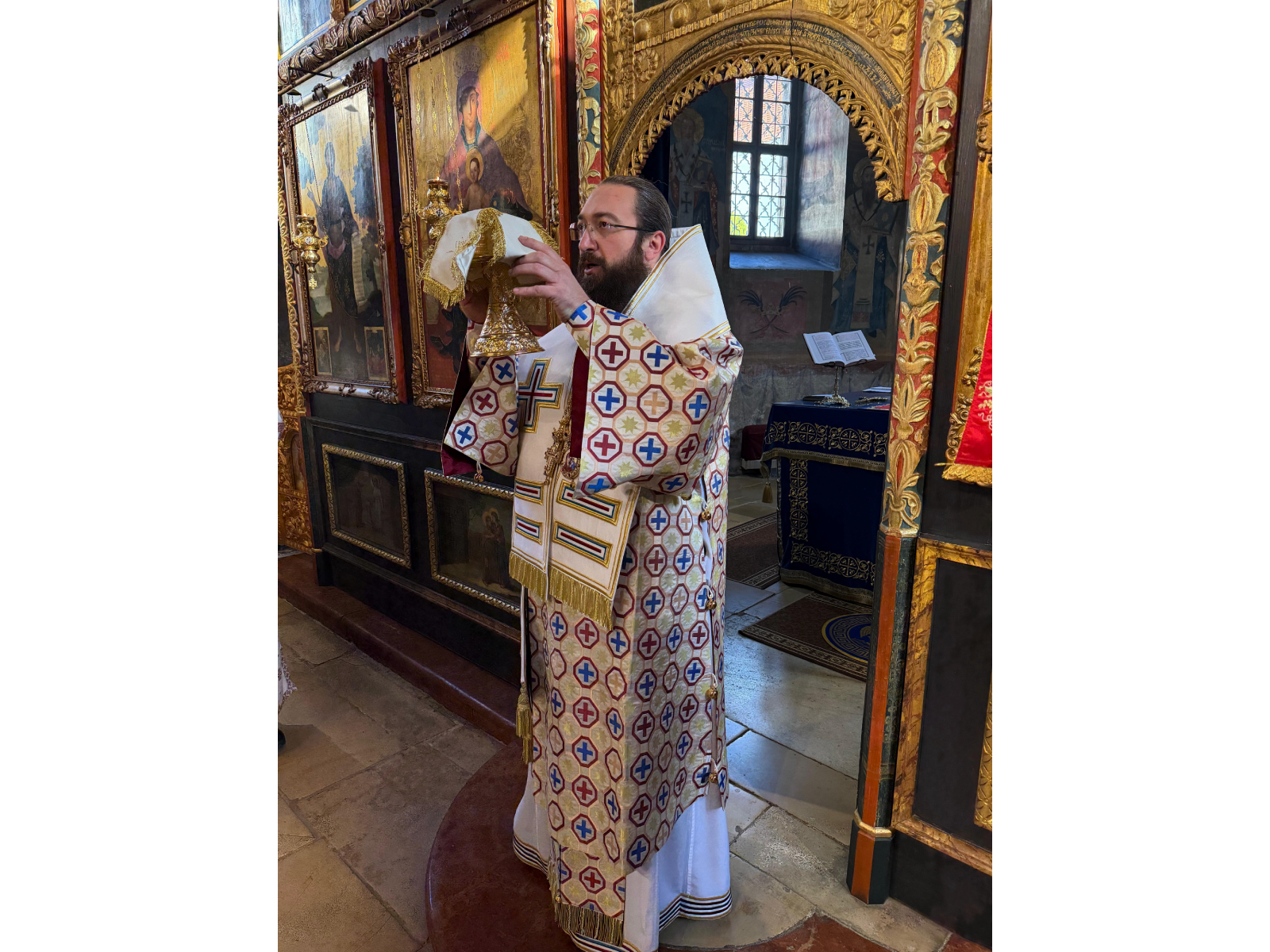
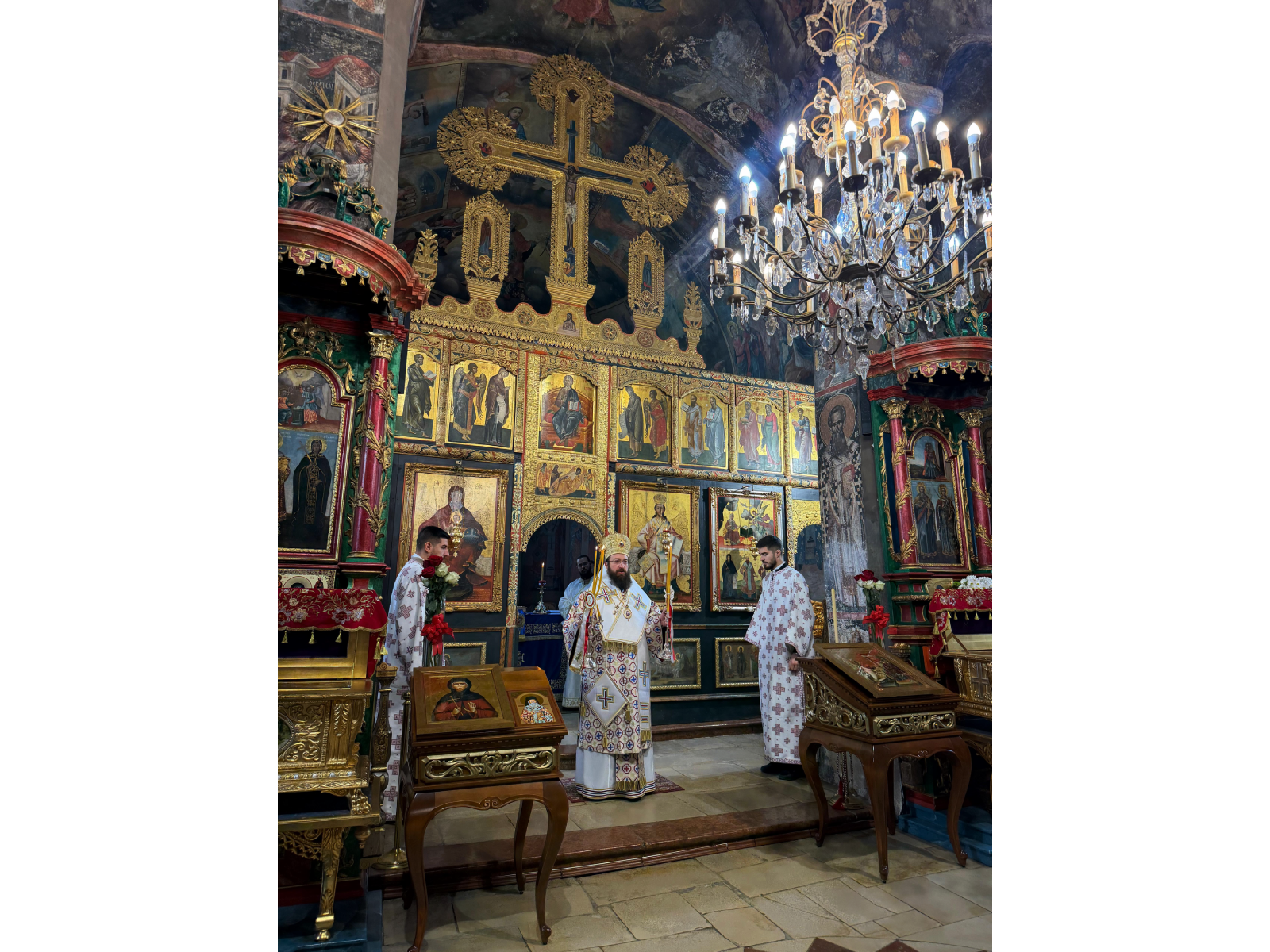
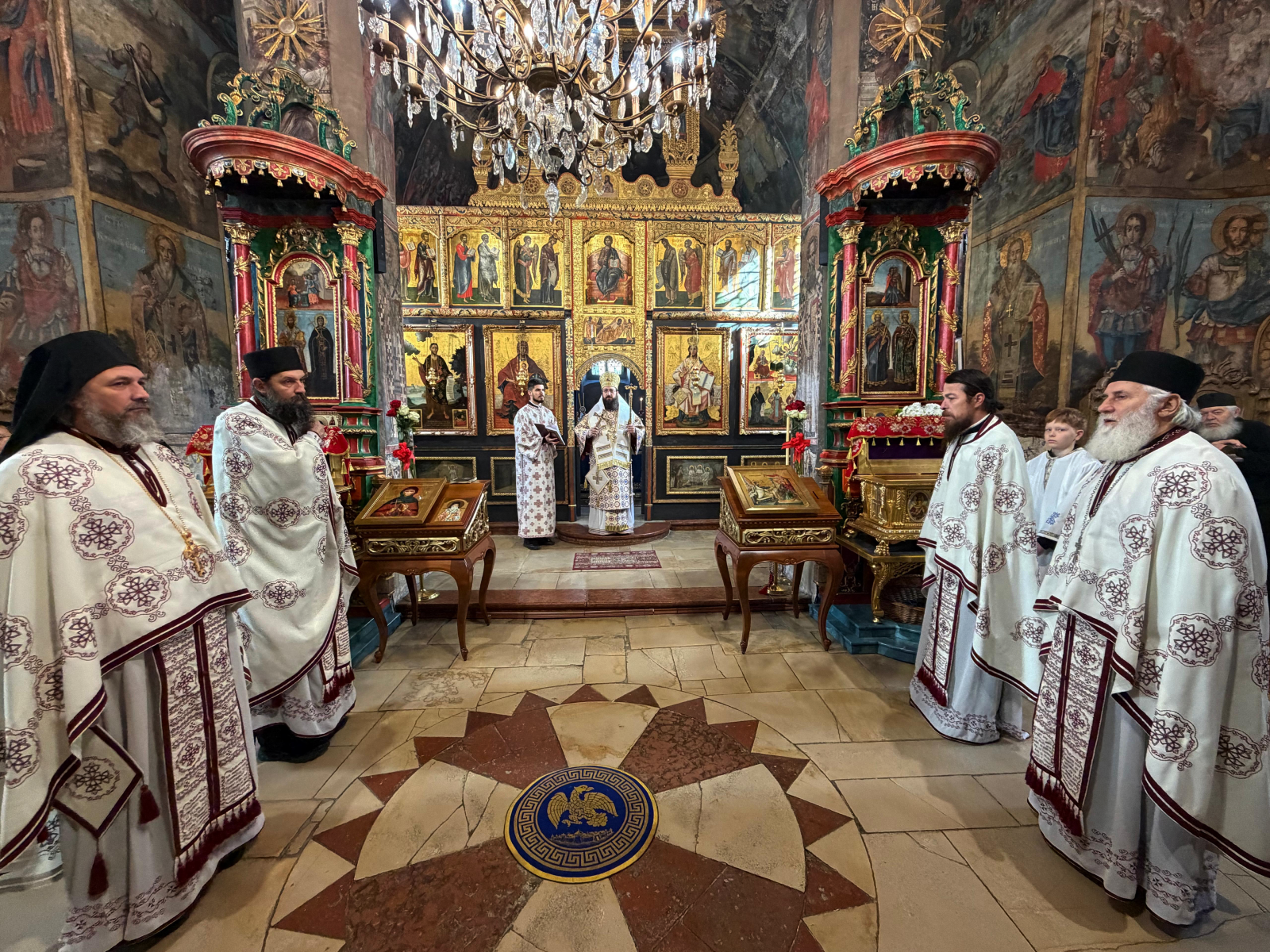
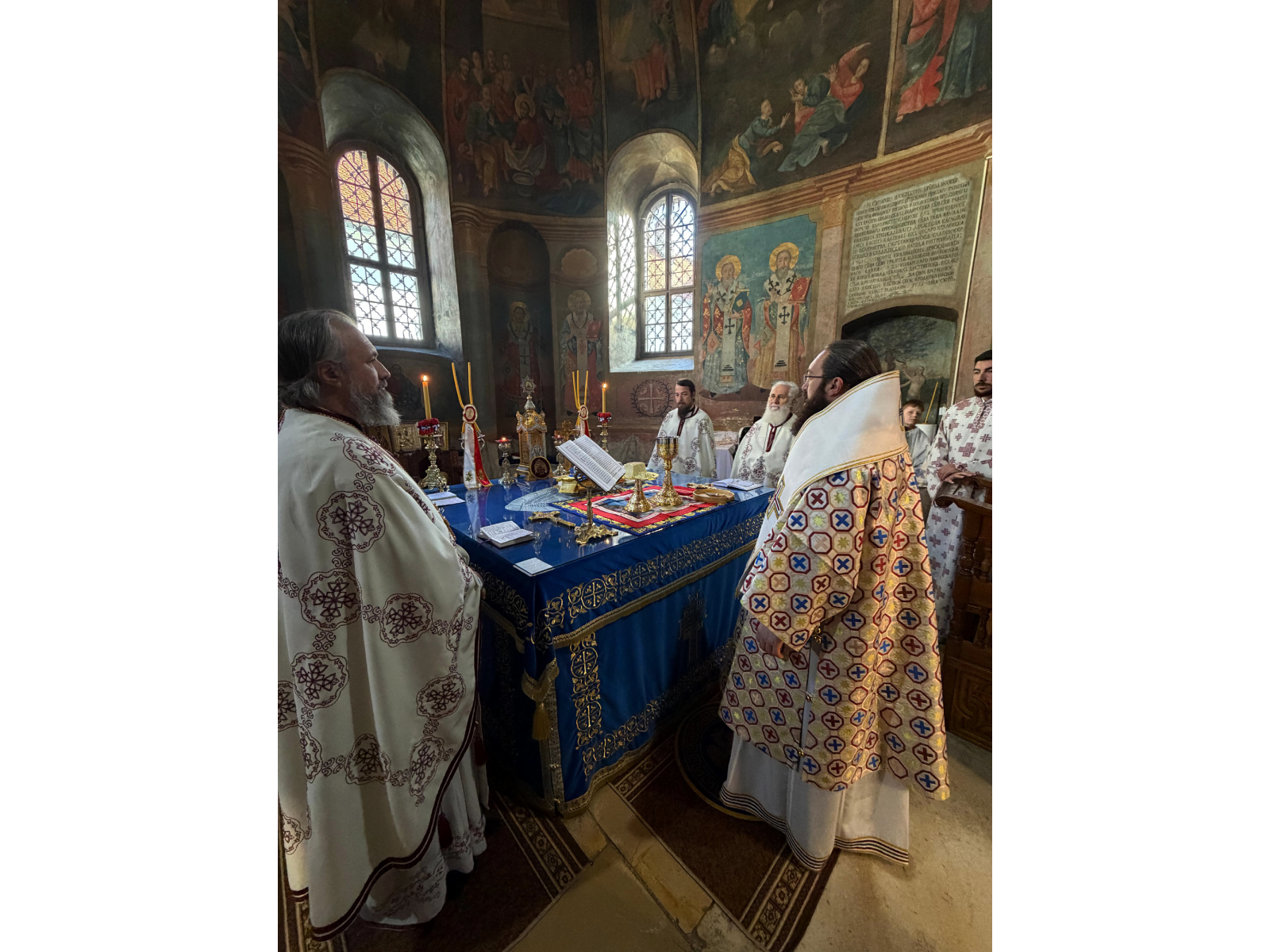
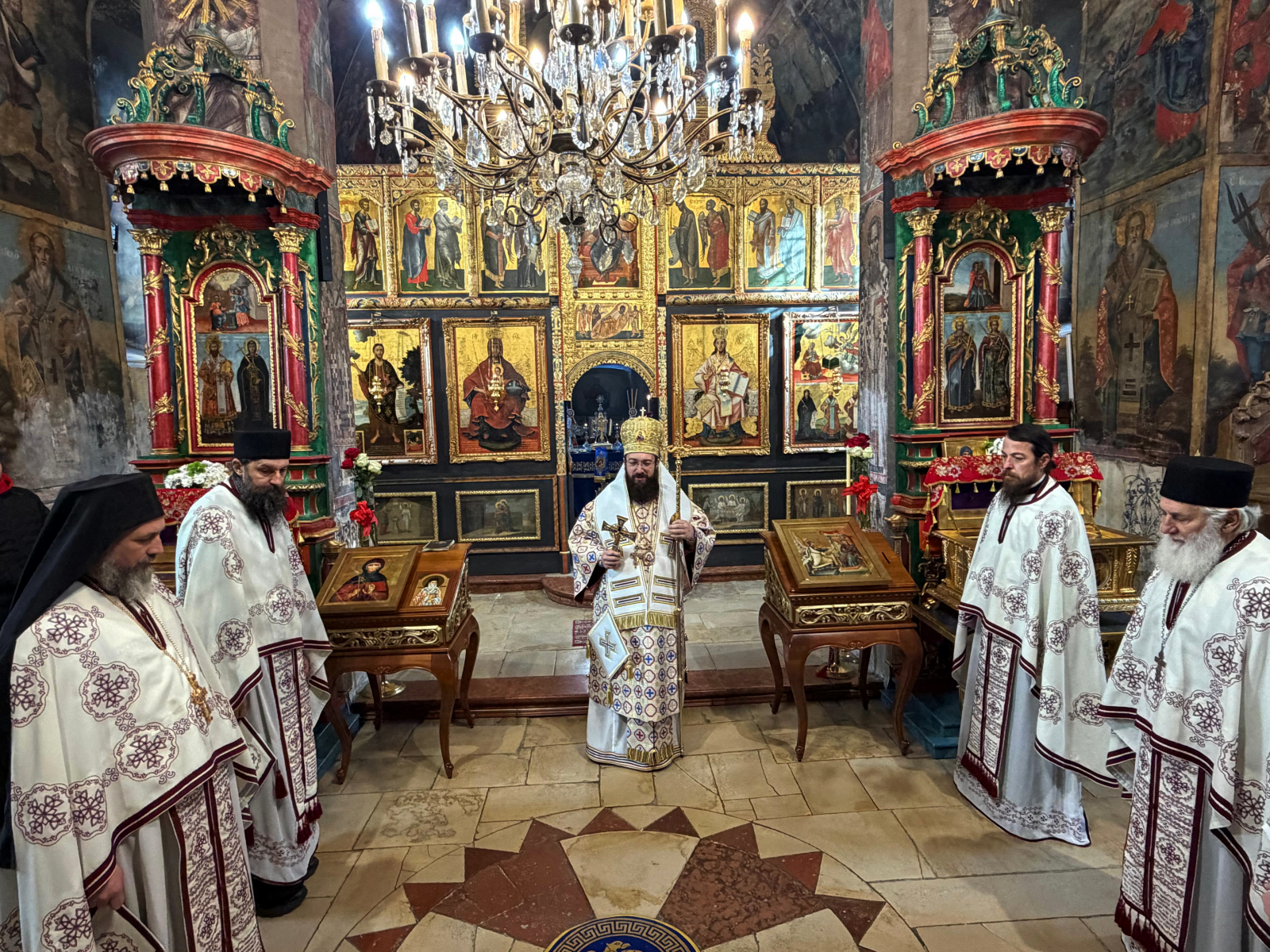
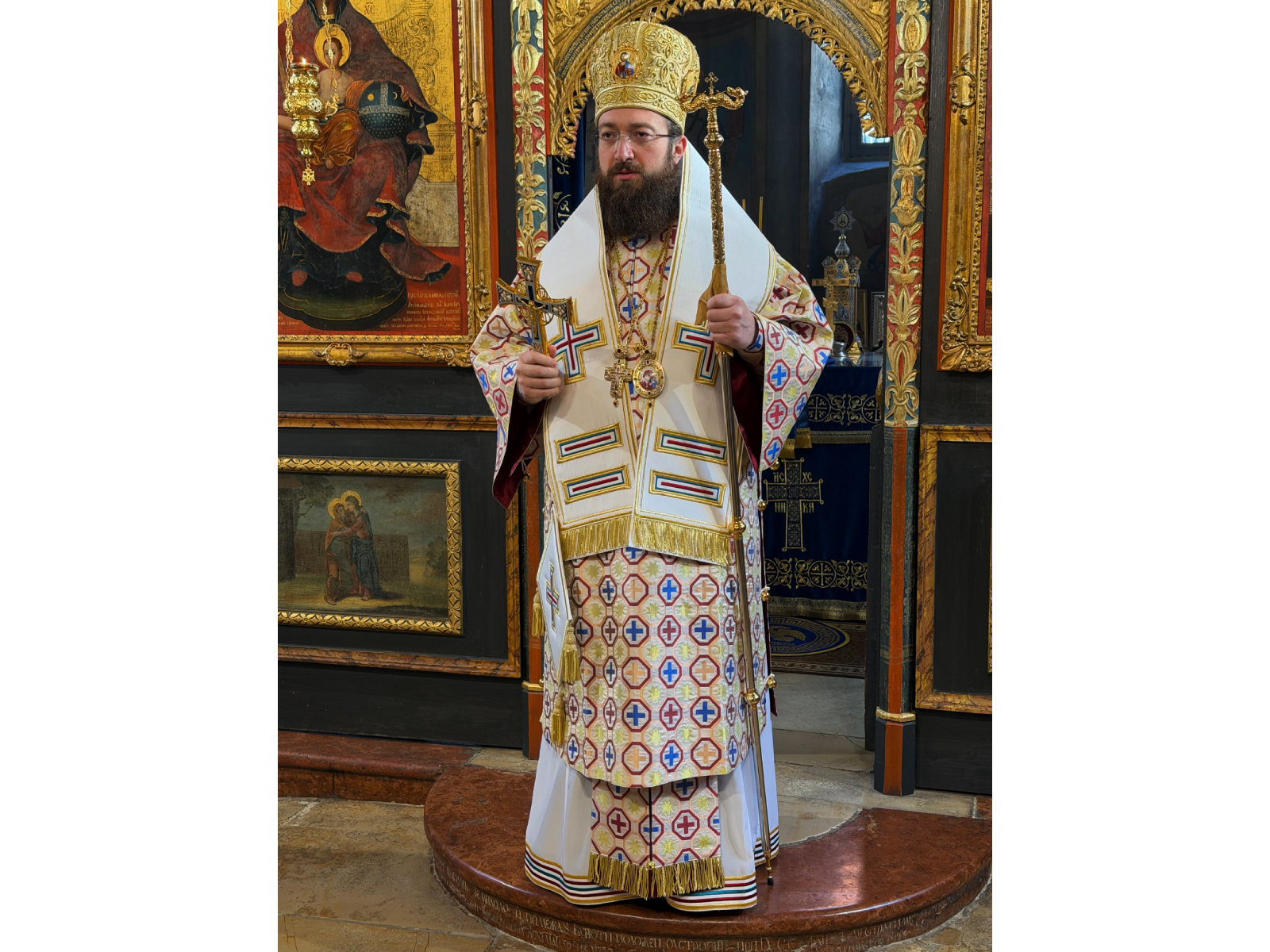
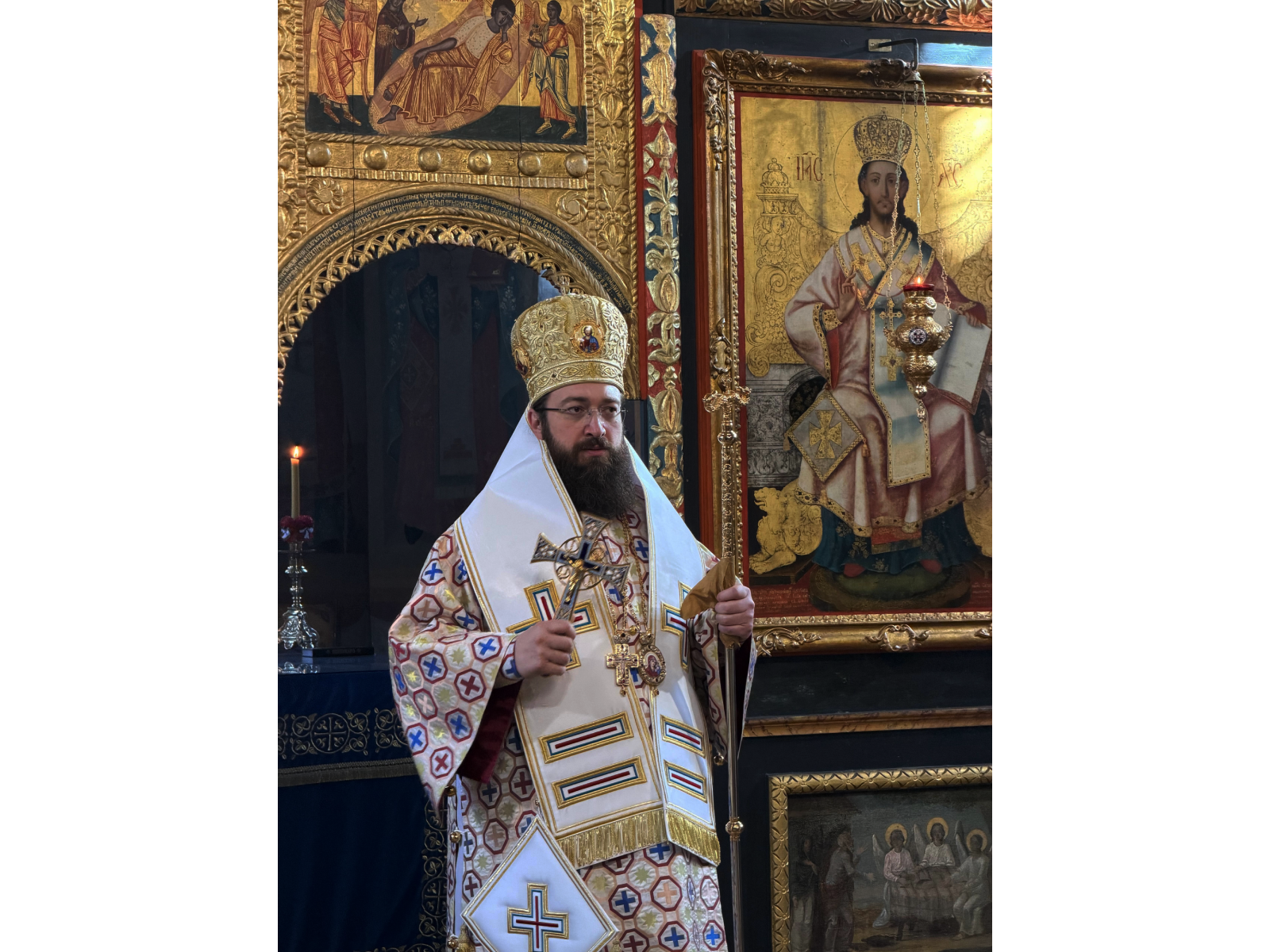
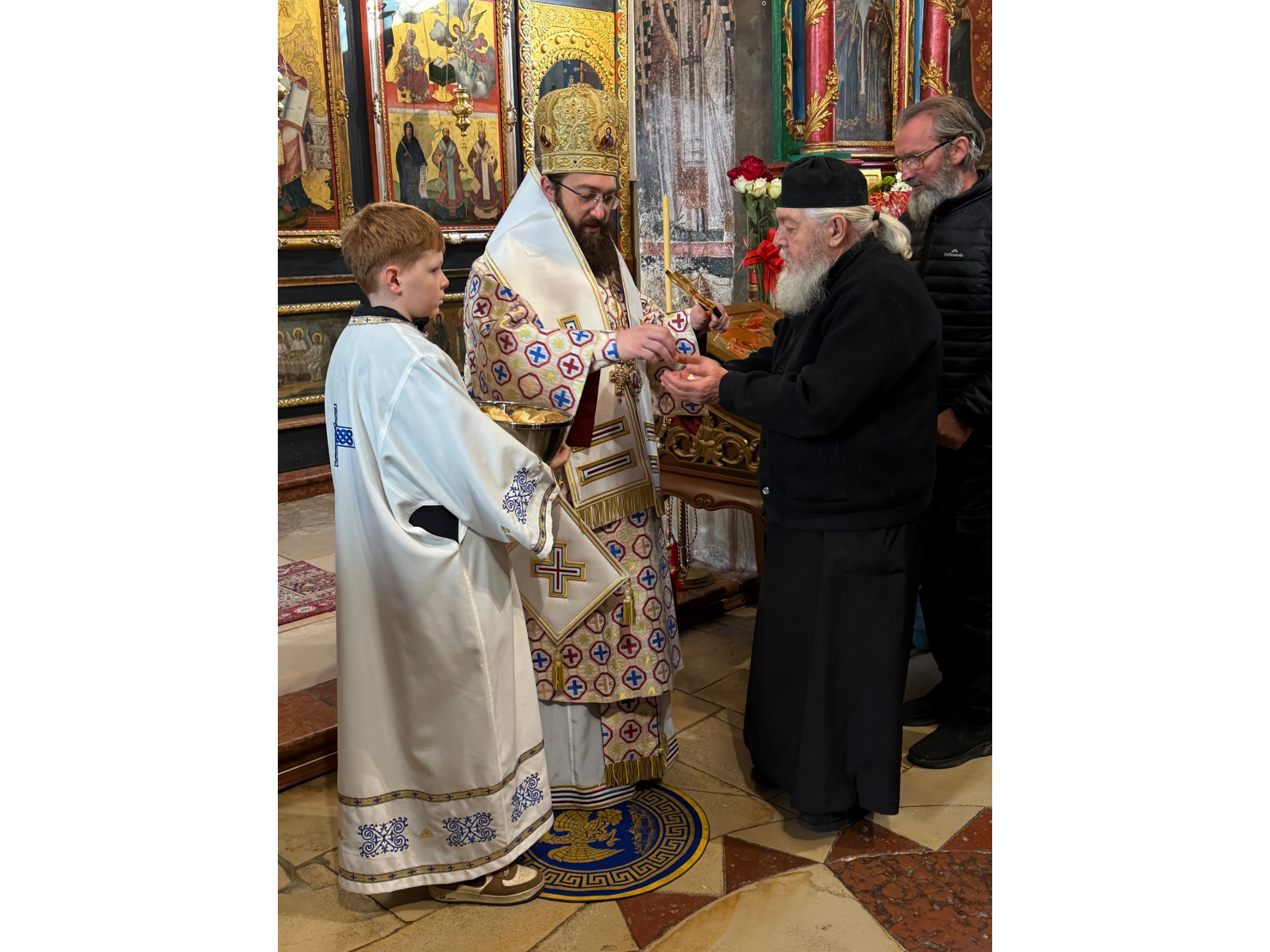
Following the reading of the Gospel passage on the Good Samaritan, Bishop Nektarije addressed the faithful gathered, pointing out that this Gospel, as we approach the Nativity Fast, calls us to show mercy and to practise active love that seeks nothing in return.
In his interpretation of the Gospel parable, the Bishop emphasised that in the wounded man we recognise each one of ourselves, wounded by sin, weaknesses and illnesses, while in the Good Samaritan we recognise Christ Himself, Who draws near to us, binds our wounds and grants us healing. The inn to which the Samaritan brings the wounded man represents the Church, where the Lord welcomes us and heals us of our sins and failings.
Reflecting in particular on the expectation that everyone in the Church should be free from weaknesses and shortcomings, Bishop Nektarije stressed that the Church is Holy because she is the Body of Christ and because the Holy Spirit dwells within her, whereas we, her members, are people in need of repentance and healing. The Lord welcomes us and gradually transforms us through His love, inviting us freely to open our hearts to Him and to cooperate with His saving grace.
As a shining example of a life lived in the love of Christ, the Bishop spoke of St Nektarios of Aegina, who endured many trials, slander and unjust removal from the Patriarchate of Alexandria, yet never allowed bitterness or resentment to take root in his heart. Preserving his love for God and for his fellow human beings, the Saint bore witness through his life to the power of faith, humility and forgiveness. Bishop Nektarije concluded his homily with a prayerful wish that the Lord, through the intercessions of St Nektarios, might enlighten us all and guide us along the path towards the Kingdom of Heaven.
Following the conclusion of the Divine Liturgy, the clergy, monastics and faithful continued their fellowship over a meal of love in the monastery refectory.